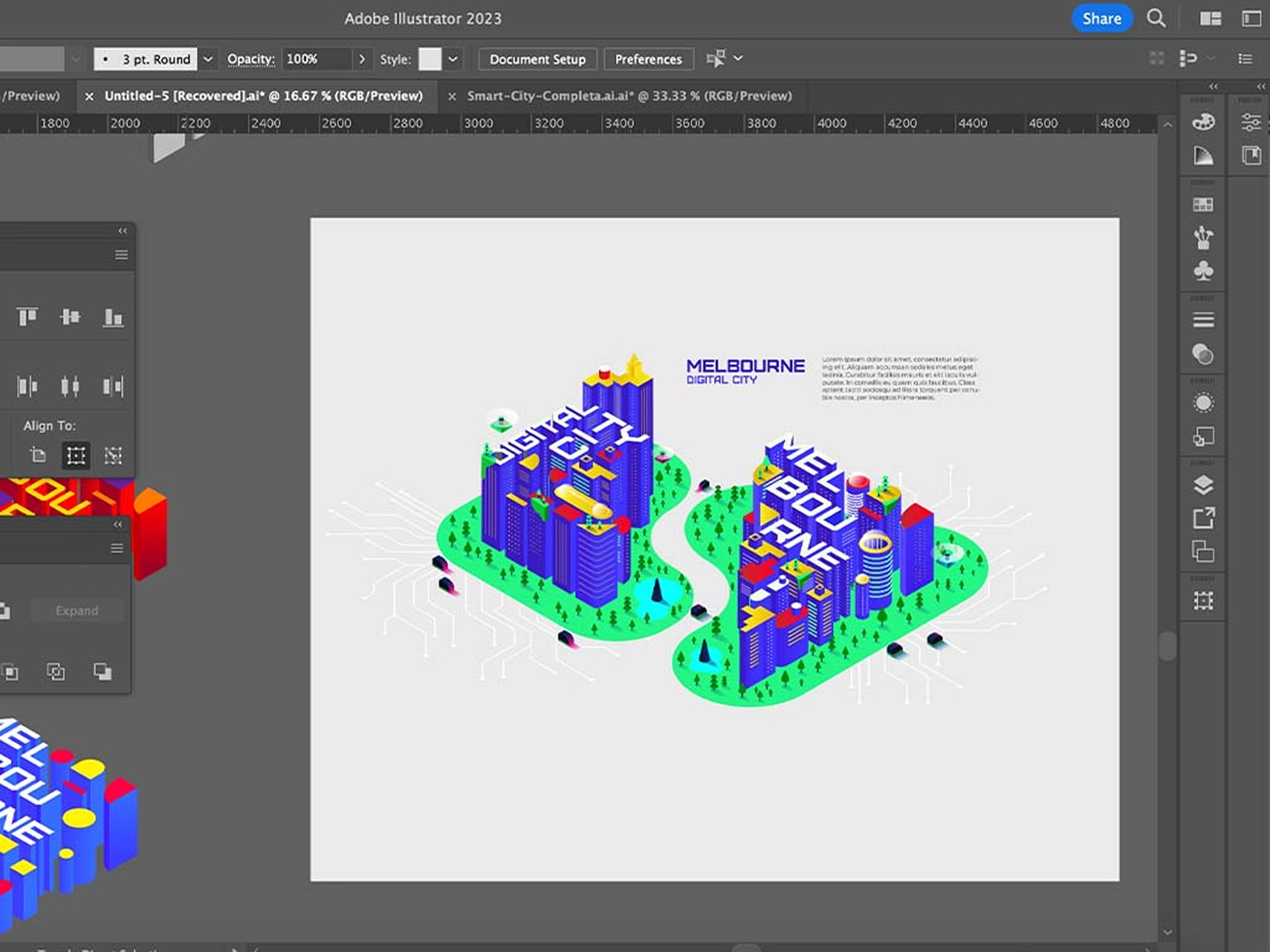
Melbourne Digital City
Digital & Analogo Art
The Concept
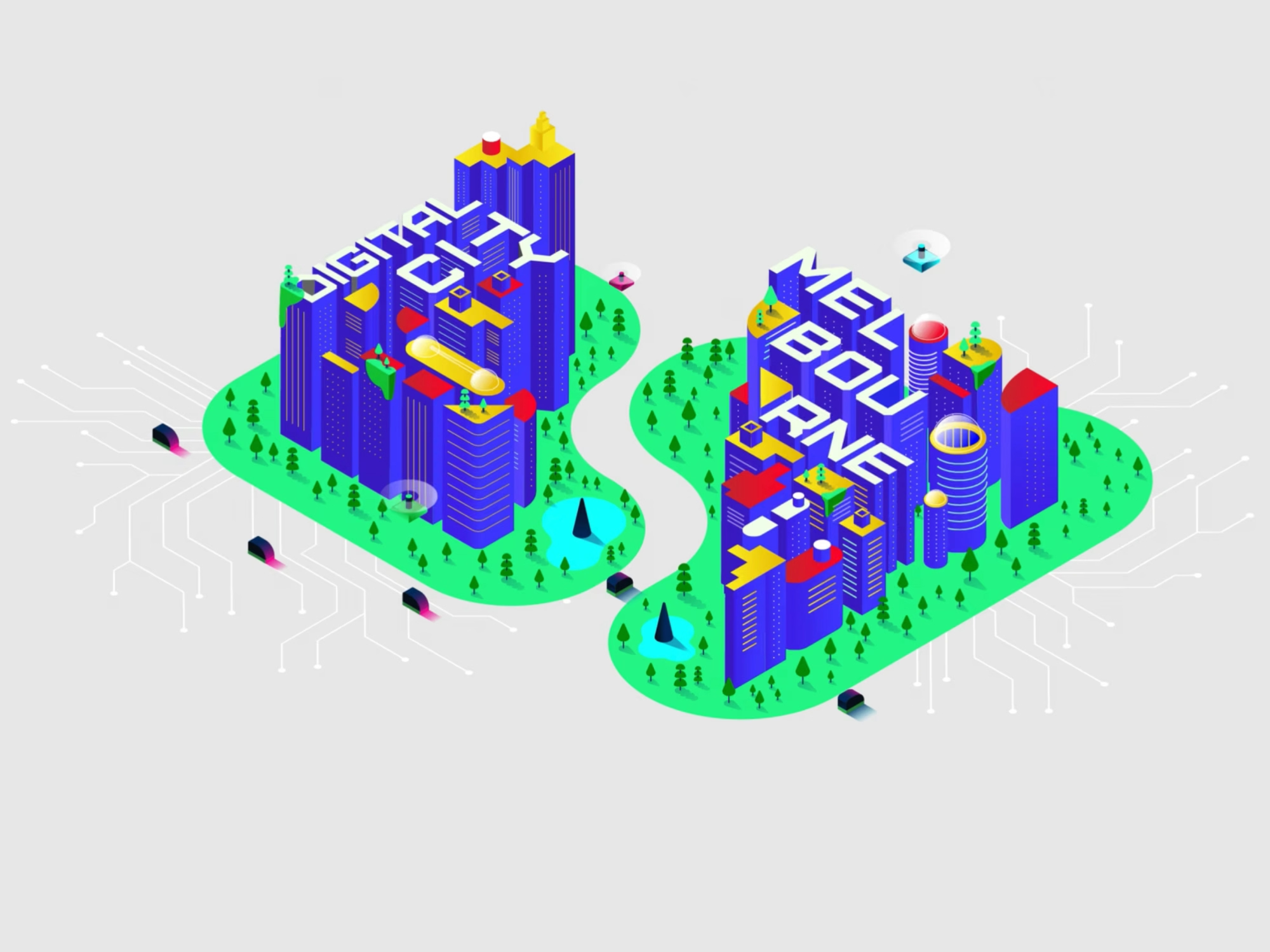
Every city tells a story, not just through its skyline, but through the quiet rhythm of everyday life happening within it. This project began with a simple question: what would it feel like to look down on a living, breathing urban world from above? The isometric perspective felt like the natural answer, offering a god's-eye view that is both architectural and intimate, geometric yet full of character. From the very first sketches, the goal was to capture a city that felt genuinely alive.
Building the World
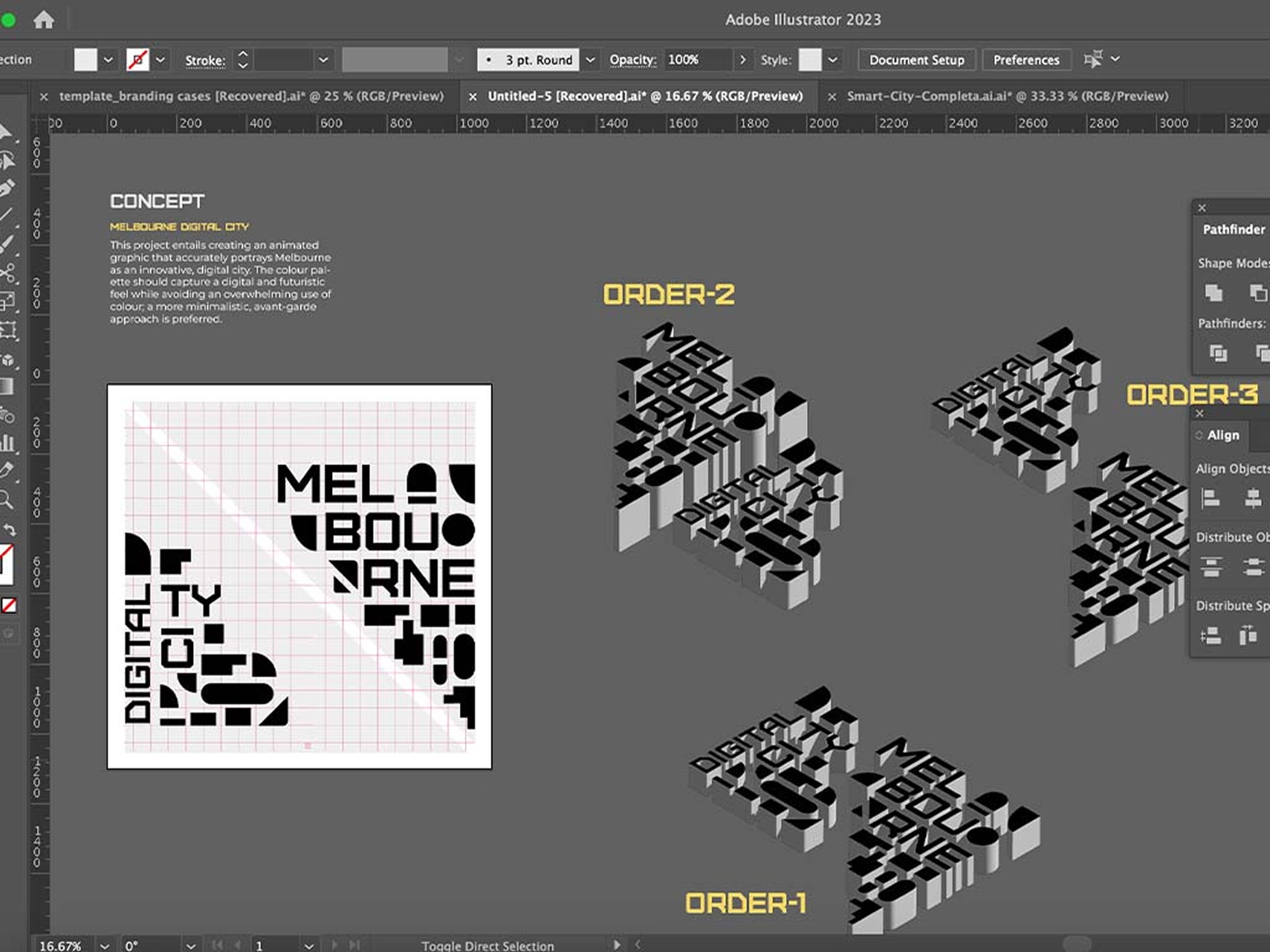
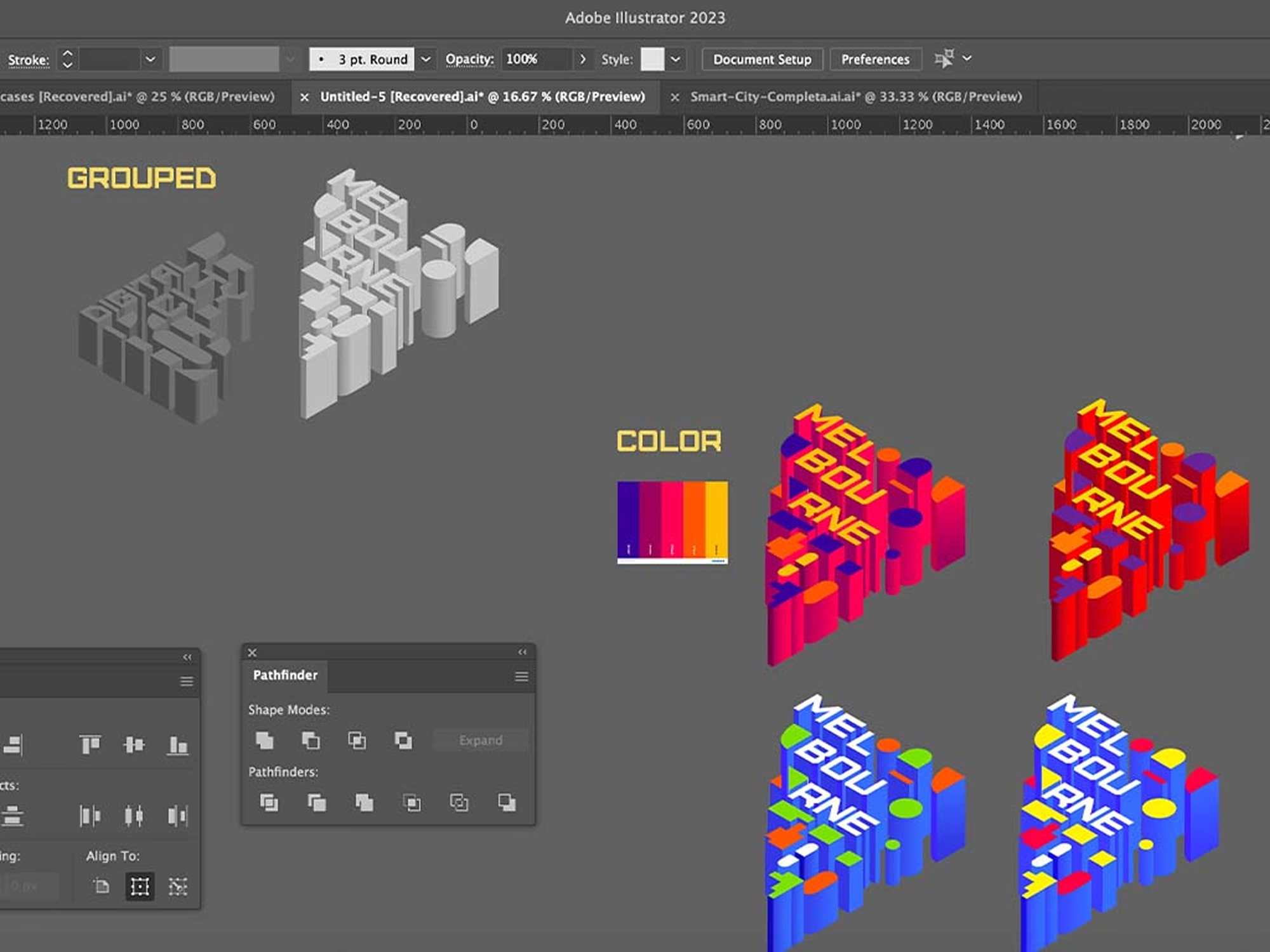
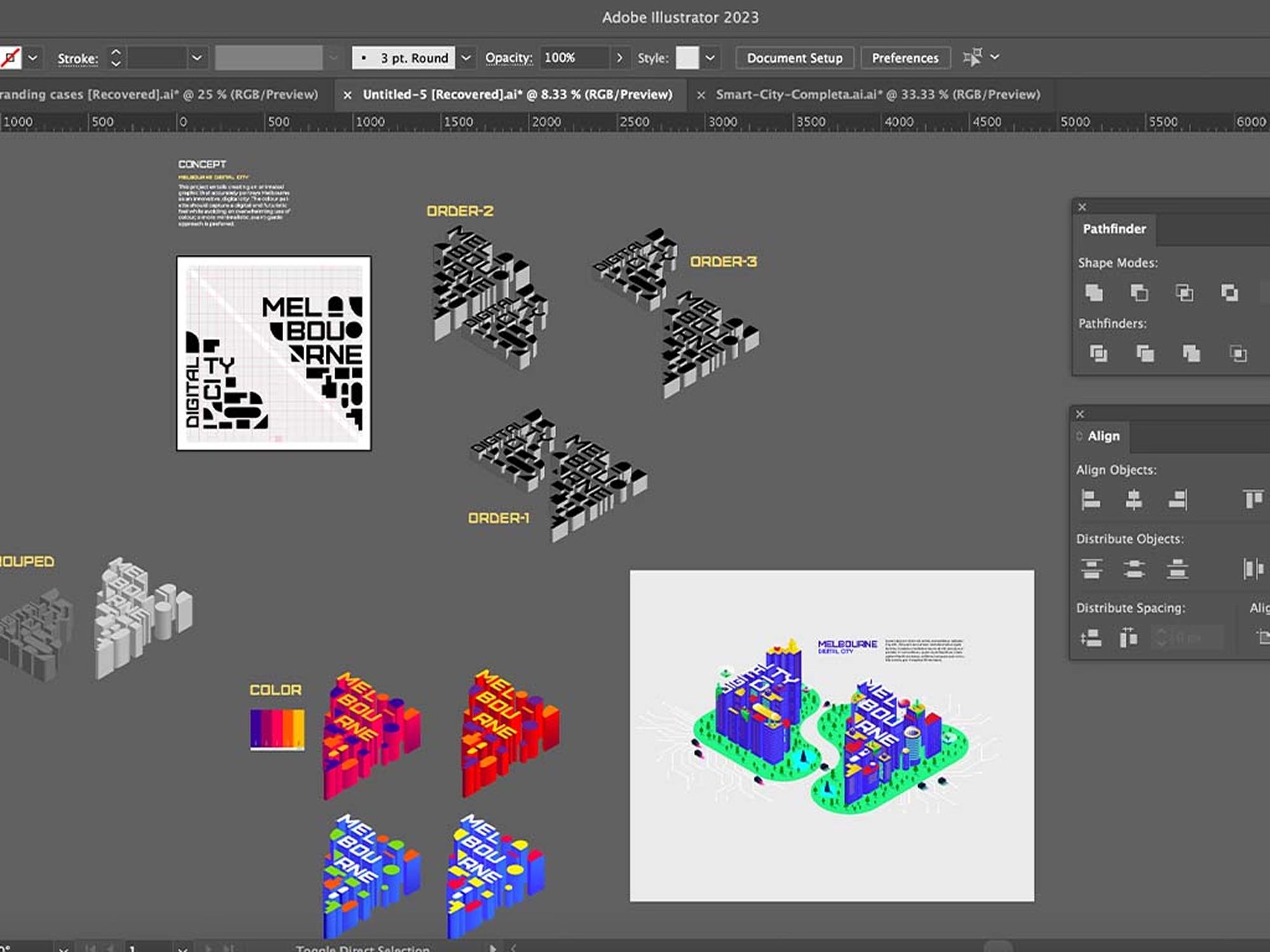
The scene was constructed entirely in Adobe Illustrator, where each building, street, vehicle, and figure was carefully drawn as a modular isometric element. Working on a strict isometric grid kept the world consistent and believable, while the flat colour palette of warm asphalt greys, terracotta rooftops, and pops of neon signage gave the city its distinct visual personality. Every asset was designed with animation in mind, broken into layers and grouped logically so that the scene could be brought to life without rebuilding it from scratch.
Bringing It to Life
Once the artwork was imported into Adobe After Effects, the real storytelling began. Layers were animated individually, with windows flickering to light, pedestrians crossing intersections, and vehicles easing in and out of frame, each moving at its own pace to create a sense of overlapping, organic activity. The challenge was making the city feel busy without feeling chaotic, so careful attention was paid to timing, easing, and the subtle interplay between background and foreground motion. The result is a scene where something new catches the eye every time you watch it.
The Craft Behind It
This project was as much an exercise in patience and systems-thinking as it was in creativity. Designing for animation from the very first line meant anticipating how each element would move before it was ever drawn, and building a library of reusable assets that kept the workflow efficient. It deepened my understanding of how illustration and motion design work together, not as separate disciplines, but as two halves of the same visual language. For me, isometric animation sits at a beautiful intersection of architecture, illustration, and storytelling, and this project is a celebration of exactly that.